The subsea tunnels
Four subsea tunnels carry tolls; every land tunnel is free. Vágatunnilin (airport to Streymoy) and Norðoyatunnilin (to Klaksvík) run about 100 DKK per car for a return trip. The newer Eysturoyartunnilin — the one with the undersea roundabout — and Sandoyartunnilin charge 175 DKK per crossing.
There are no toll booths. Cameras read your plate and you pay online at tunnil.fo within six days, or the toll lands on your rental contract automatically. Miss the window and a 50 DKK late fee is added.
Ferries and helicopters
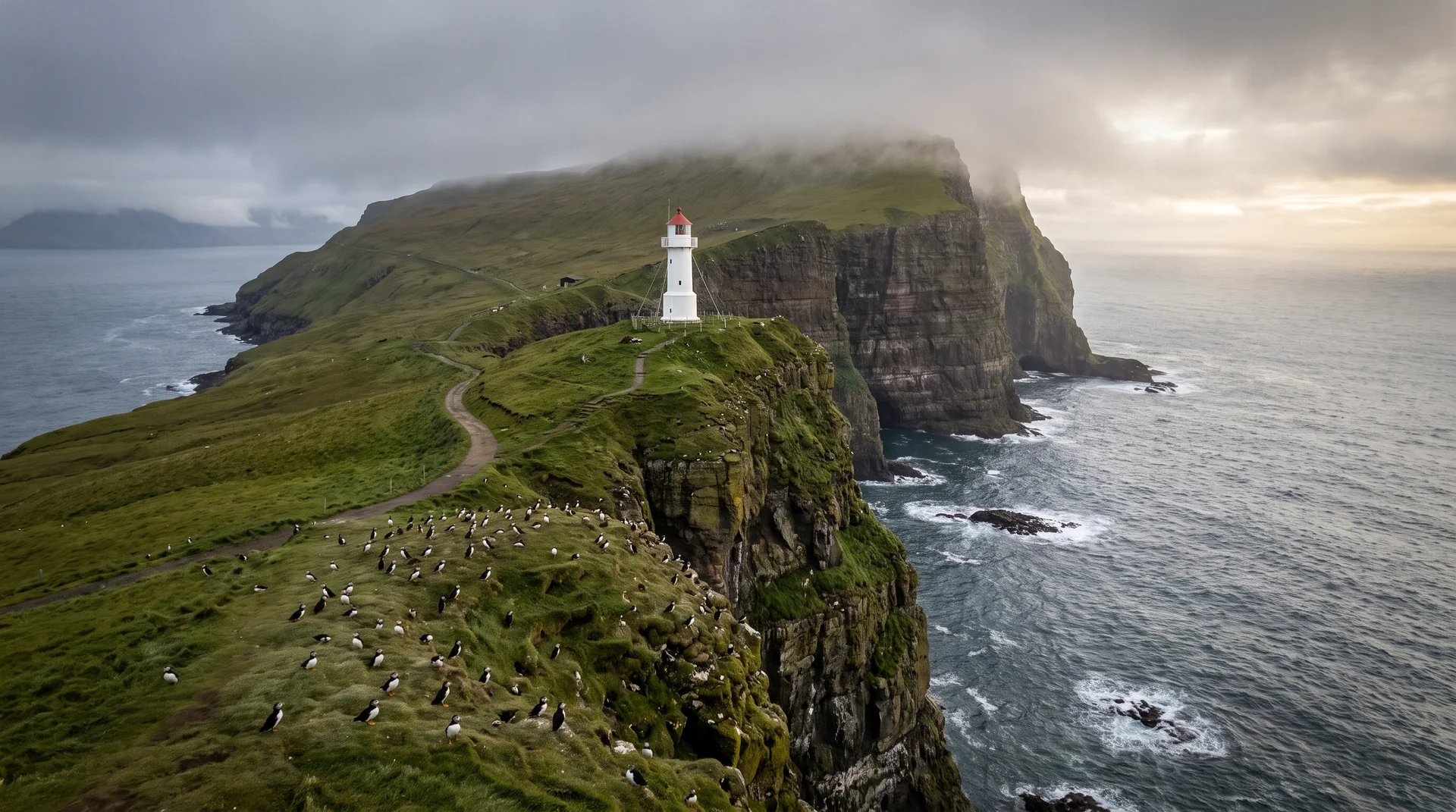
Strandfaraskip Landsins runs the inter-island ferries. Klaksvík to Kalsoy is around 105 DKK return per adult, roughly 270 DKK with a car. The Suðuroy ferry — a proper two-hour crossing — runs about 105-131 DKK return for passengers and 269-336 DKK for a car, cheaper booked online. The Mykines boat from Sørvágur sails daily from May to August and three days a week in April, September and early October; bookings for the season open in early February at ssl.fo, so reserve as soon as your dates are fixed.
The helicopter is the islands' strangest bargain-that-isn't: Atlantic Airways flies scheduled, government-subsidised routes where locals pay about a third of the visitor fare. Expect roughly 255-1,080 DKK per sector as a visitor depending on the route. Seats are few, residents and freight have priority, and a seat can be booked no more than seven days before departure.
Hiking and landowner fees
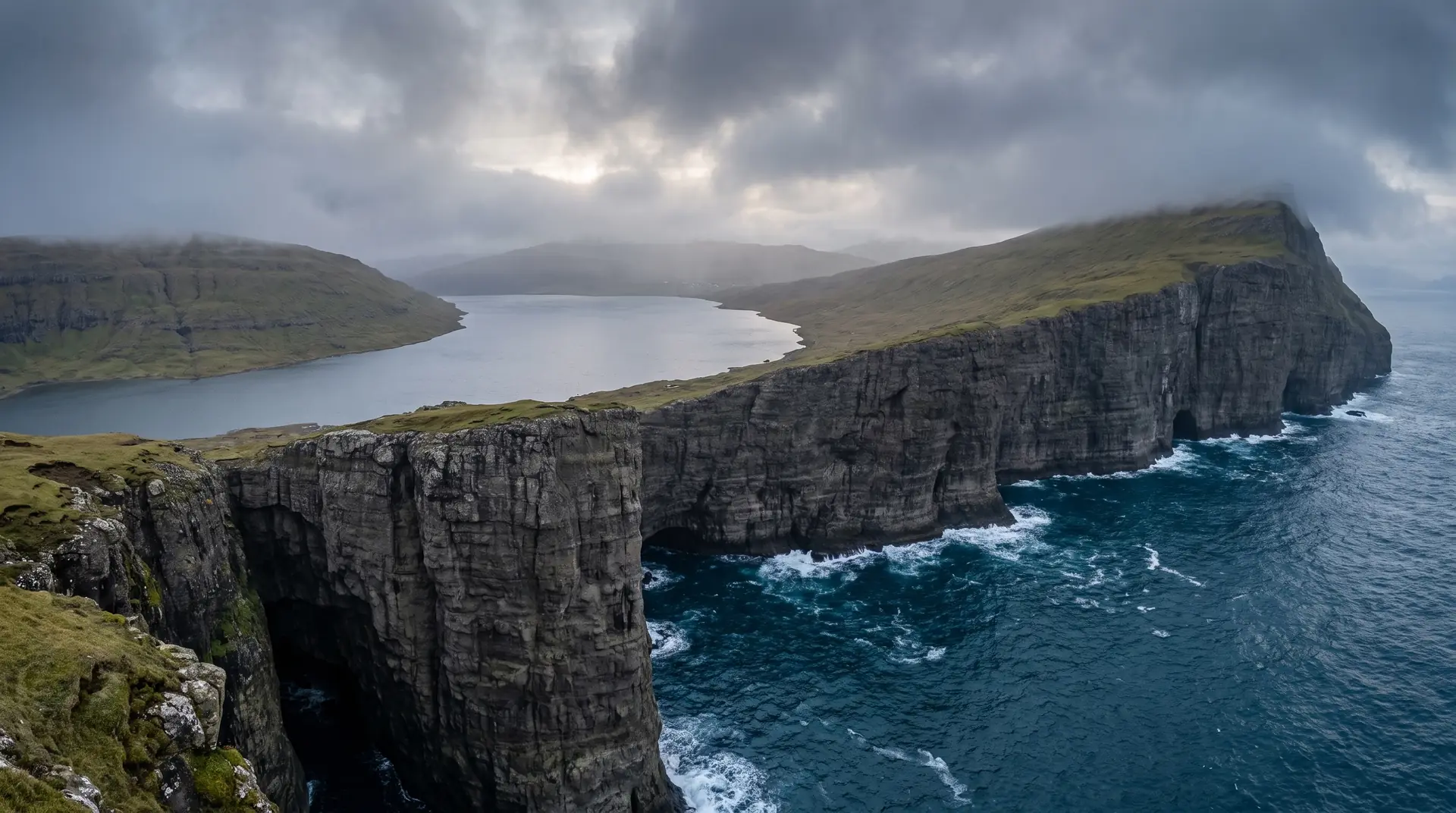
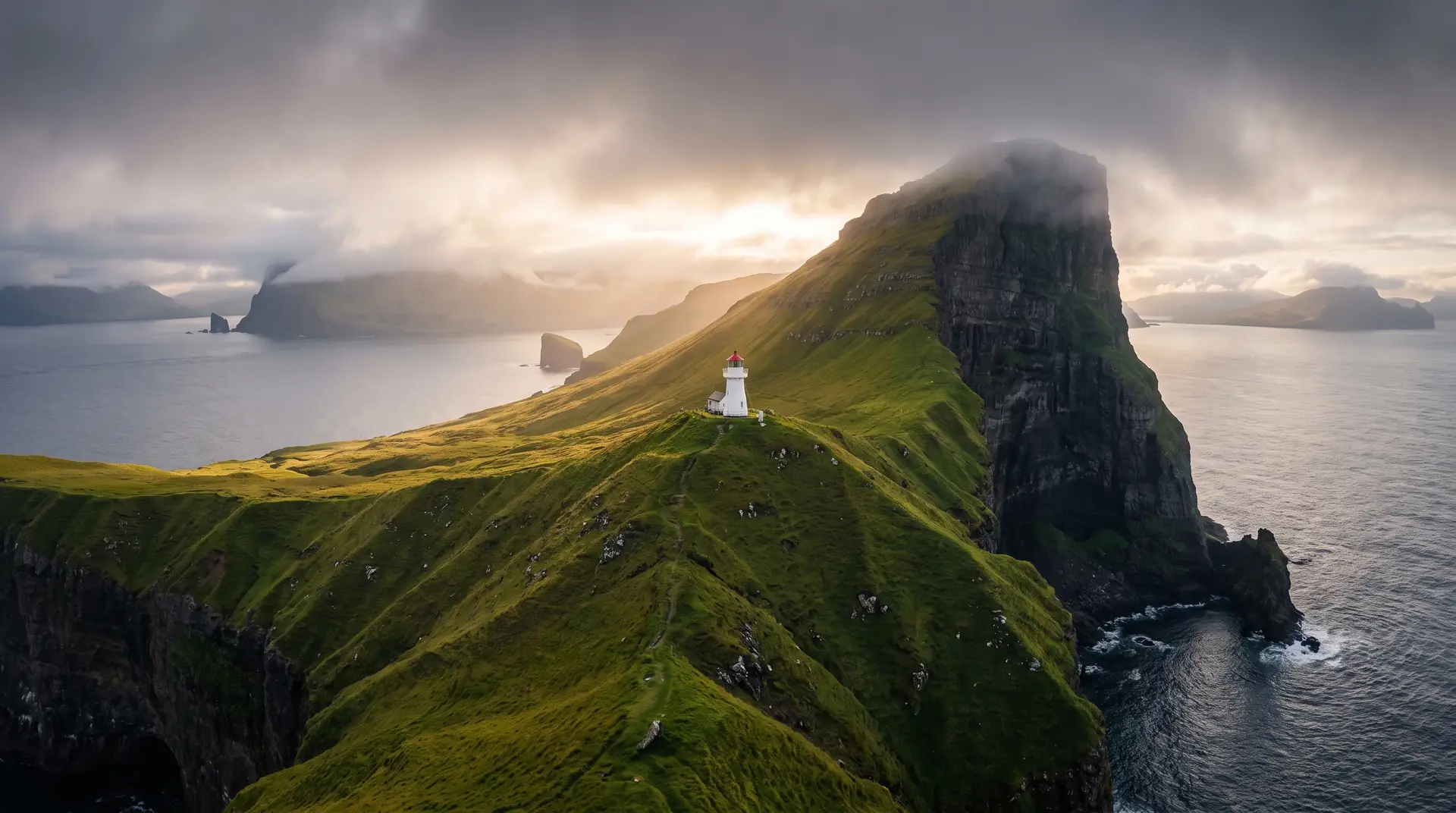
Almost all Faroese outfield is private, and the famous hikes now carry landowner fees. The Kallur Lighthouse walk on Kalsoy is 200 DKK. Trælanípa and lake Sørvágsvatn cost 200 DKK per person on your own (free to age 15), paid at the landowners' coffee shop at the start, or 600 DKK per person with a guide (minimum five). Villingardalsfjall above Viðareiði is 200 DKK, paid into the mailbox at the gate. Mykines' outfield is a mandatory guided tour at 400 DKK booked ahead via hiking.fo, 500 DKK on arrival. Since September 2026 the landowners at Slættaratindur sell a 200 DKK hiking ticket at slattaratindur.fo. Drangarnir can only be reached on a guided tour, 1 April to 1 October.
Treat the fees as trail maintenance and access, not as tickets: the land is working sheep pasture, and the arrangement is what keeps it open at all.
Daily costs
A casual meal in Tórshavn runs 150-250 DKK, a mid-range dinner 350-600 DKK, and the islands' tasting menus climb well past 1,000 DKK. Guesthouses start around 700-900 DKK a night, mid-range hotels 1,200-1,800 DKK in season. Supermarkets (Bónus, Miklagarður) are the budget lever — prices are Danish-plus, not Swiss.
Card acceptance is total; you can visit without ever touching cash. The Faroese króna is pegged 1:1 to the Danish krone and Danish notes work everywhere. Tipping is not expected.